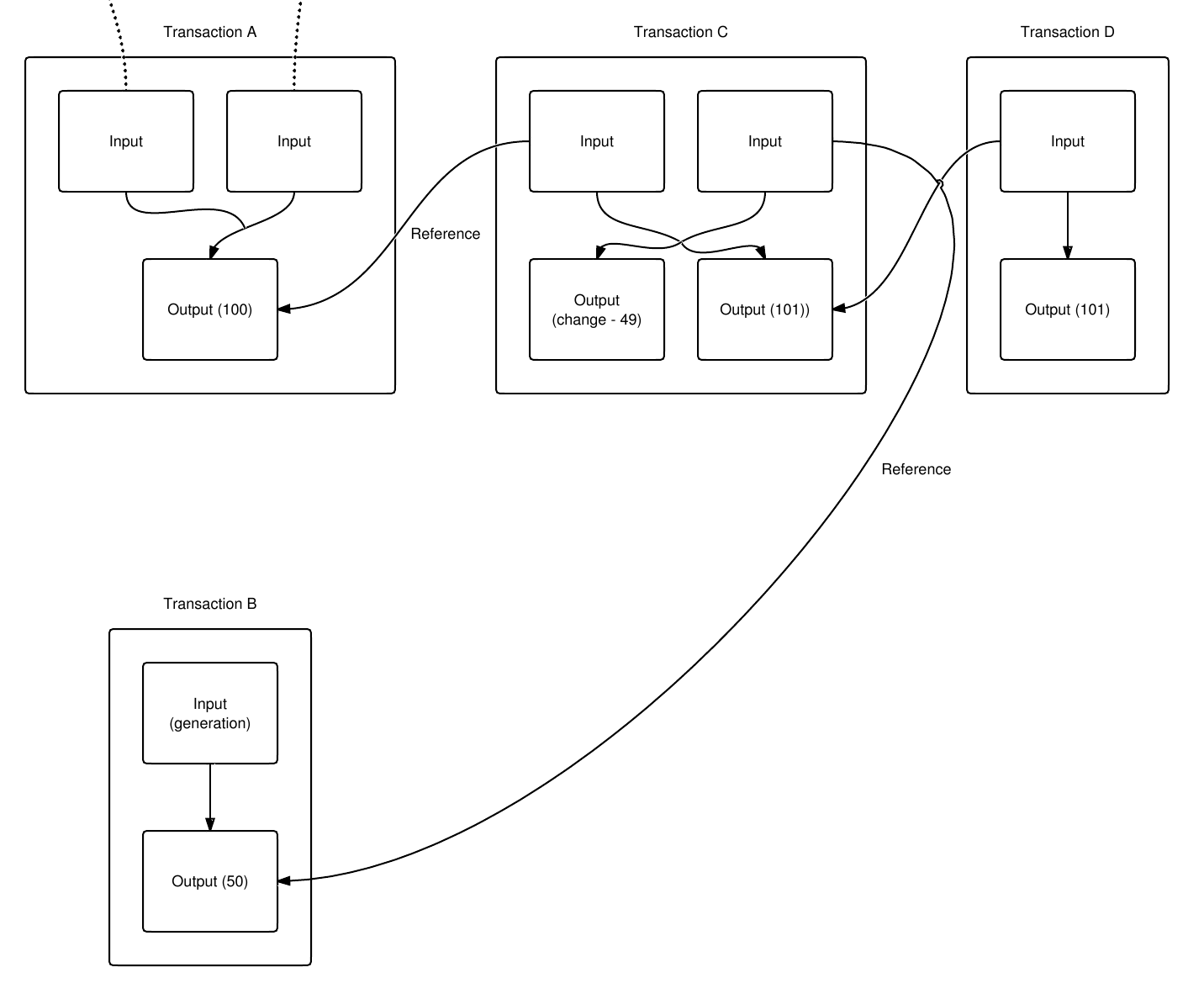
There are no hashes for genesis blocks because these blocks have no predecessor. Thank you Blockgeeks for the article. If your ambitions are loftier, you can pay for space travel with some of your vast holdings, through Virgin Galactic.
Waiting for a confirmation
If you cut the information inside computers into smaller pieces, you will find 1s and 0s. These are called bits. You already know about coins. Bitcoins are just the plural of Bitcoin. They are coins stored in computers.
The basics for a new user
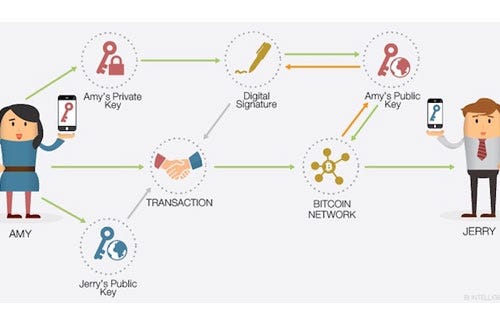

Bitcoin is a distributed peer-to-peer digital currency that can be transferred instantly and securely between any two people in the world. It’s like electronic cash that you can use to pay friends or merchants. Bitcoins are the unit of currency of the Bitcoin system. There are such things as physical bitcoins , but ultimately, a bitcoin is just a number associated with a Bitcoin Address. A physical bitcoin is simply an object, such as a coin, with the number carefully embedded inside. See also an easy intro to Bitcoin.
Bitcoin Transactions: How Do They Work?
By using our site, you acknowledge that you have read and understand our Cookie PolicyPrivacy Policyand our Terms of Service. Why is it taking so long for my transaction to confirm? This is a canonical question serving as a lightning rod for the flood of «unconfirmed transaction» questions we are experiencing lately.
Please provide a detailed and broad answer to serve a wide range of these questions. Bitcoin transactions are mined processed by Miners, and Miners want to benefit from their work. By mining transactions with higher fees, they make more money. Some miners can decide to mine all transactions no matter the fee but they still must compete with every other transaftion motivated miner. Your wallet and any Bitcoin node will show it as unconfirmed, your transaction is stuck in limbo. Block sizes are limited, which means that only a limited number of transactions can be processed in a certain timeframe.
In the beginning of bitcoin, there was lots of free space in each block because there were not many transactions. However, now that Bitcoin is quite popular there trwnsaction more transactions than can be processed into the current block. This is why transaction fees have increased, and as long as someone is still willing to pay more they will keep increasing.
Transaction fees vary by the size of your transaction, and not all transactions are the same size. The fee for same sized transactions also depends on how busy the bitcoin network is at the moment.
Most wallets have a feature which dynamically calculates the rate based on network congestion. Yes, there is a way to save a borked transmission. A restart of the wallet and some patience typically fixes the issue. In the case that your fee is too low: Now that child-pays-for-parent has been mergedyou or any of the recipients of your unconfirmed transaction could spend the Bitcoin received and the fee associated with that second transaction will help prioritize the confirmation of the original transaction.
This does require more fine grained control of which outputs you spend, which not all wallets provide. The behavior from miners prioritizing this way has existed in some pools for a while, but now it is the default. Here is a guide for as many wallets as I could figure out how to perform an RBF. A «stuck» transaction is a transaction which has remained unconfirmed for period of time which either the receiver or the sender is uncomfortable.
Stuck transactions can be annoying as it means that recipients often consider the senders to not have paid yet, or the recipient needs the money as soon as possible. Stuck transactions are typically caused by low transaction fee rates.
However other things can cause stuck transactions such as spending from an unconfirmed transaction, having dust outputs in the transactiln, or being a double spend of another transaction. If a transaction has a double spending transaction and the double spend confirms, then the transaction will be «stuck» forever as it can never confirm.
If you are incapable of performing any of the other options or are too afraid to do so, you can simply wait and hope that the transaction will eventually confirm. To ensure the network is constantly being reminded of the transaction, you can rebroadcast the transaction periodically. Most wallets will rebroadcast automatically, so simply trqnsaction your wallet open will allow rebroadcasting to happen.
If a transaction remains unconfirmed for too long, it can be eventually «forgotten» by most nodes on the Bitcoin network if no one rebroadcasts the transaction. This happens due to node restarts, mempool expiry times, or mempool eviction because the minimum mempool fee has increased. This process typically takes a few days usually 3. Once a transaction has been «forgotten», you may not see it in your wallet and you probably will not see the transaction in most block explorers.
Once the transaction has been «forgotten», you can simply send the Bitcoin again but include a higher transaction fee. If you still see the transaction in your wallet but don’t find it on any block explorers, you will need to follow the instructions in the next Replace-By-Fee Section.
Note that some wallets will continuously rebroadcast the transaction while the wallet is on, so you either have to remove the transaction from the wallet using the instructions in the RBF section, or shut down the wallet and keep it off for several days.
Some mining pools and miners offer services to allow you to prioritize your transaction in their mempool so that it is chosen sooner for inclusion in a block. Not that BTC. Also note that if you attempt a Replace-By-Fee transaction, both the original transaction and the RBF transaction will be considered double spends. Miners will likely not help with any transactions transactino as double spends. A Replace-By-Fee transaction is a transaction that is nearly identical to your stuck transaction but pays a higher transaction fee.
Since the original transaction most likely does not use Opt-in RBF, the RBF transaction that we will be creating will be considered a double spend and marked as. The transaction uses Full-RBF and thus may still take a little bit longer to confirm as it is technically a double spend.
Full RBF means that the transaction is simply a double spend of another transaction but pays a higher transaction transsaction than the one s it replaces. The instructions given in this section will be for making Full RBF transactions. Making a Full RBF transaction depends entirely on the wallet that you are using. Some bitccoin support the advanced functionality required to make a Full RBF transaction, others do not. The following will be guides for each wallet on how to make a Full RBF transaction with that wallet.
In general the procedure is to remove the unconfirmed transaction from the wallet and then resend the Bitcoin but with a higher transaction fee. When making a Full RBF transaction, the transaction should include the recommended fee rate effective at the time of creating the transaction.
See the «Avoiding this issue in the future» section for help with. Simply go to the transactions list, right click the transaction that is stuck, and choose the Abandon Transaction option. If that option is greyed out, go to the Bitcoin Core datadir and delete the mempool. If the above two options fail for some reason, start Bitcoin Core with the -zapwallettxes option to clear all unconfirmed transactions from your wallet.
Once the transaction is either Abandoned or cleared from the wallet, you can simply go to the Send tab and send the Bitcoin again but make sure that you include a sufficient transaction fee. This will clear all of the unconfirmed transactions from the wallet and thus allow you to create the Full RBF transaction.
Once Armory has restarted, simply send the Bitcoin again as you normally would but be sure to include bitvoin sufficient transaction fee. Go to Manage Wallet and click on Repair Wallet and follow the wizard.
This process will clear all of the unconfirmed transactions from your wallet much like Bitcoin Core and Armory. Once x wallet has completed, simply send the Bitcoin again as you normally. Note that some users have had trouble with this method in the past and it may not always work. You may need to wait for the transaction to be «forgotten» in order for this method to work.
Not all wallets support the creation of Full RBF transactions. Many wallets do not allow clearing all unconfirmed transactions to allow for making Full RBF transactions. The following is a list of wallet software which do not support Full RBF transactions. If a wallet on this list does support FullRBF transactions, please let me know and provide instructions for that so I can add it. A Child-Pays-For-Parent CPFP transaction is exactly as the name implies, a child transaction spends bitccoin an unconfirmed parent transaction and includes a transaction fee which covers both the fee of the child and the parent.
However creating CPFP transactions are much more difficult as it requires spending from an unconfirmed transaction, something that many wallets do not allow. The best way to avoid having stuck transactions is to make sure that you are not spending from an unconfirmed transaction, and include a sufficient transaction fee.
If your wallet supports dynamic transaction fees, you should use trnsaction. If you want very fast confirmations, set the dynamic fees to choose the fastest fee possible. Dynamic fees are calculated by the wallet by analyzing the current state of the network and determining an optimal transaction fee from. Since the state of the network constantly changes, the optimal transaction fee calculated one day may not necessarily be the best fee for the next day.
You must do this for each transaction you make otherwise you may end up paying a sub-optimal fee. If your wallet does not what is in a bitcoin transaction any sort transactiion fee rate or does not allow setting custom transaction fees, you should upgrade to a new wallet.
Using a fixed fee or fixed fee rate is no longer a good idea as the network constantly changes. Note that some wallets e. If you notice that your transactions are constantly being stuck even though you are using dynamic os, you should check the bbitcoin of your wallet and perhaps even switch to a new wallet which has no limit to the transactino fee. Then when un want to send some Bitcoin, next to the Fee slider is a box labeled «Replaceable». Check that box so that while the transaction bitvoin still unconfirmed you can replace the transaction with one that pays a higher fee.
To increase the fee of a transaction that uses Opt-In RBF, right click the transaction in the history list and choose the «Increase Fee» option. Armory also allows for the creation of RBF transactions. When sending a transaction, choose the checkbox «Enable RBF». To increase the fee of a transaction that uses Opt-In RBF, right click the transaction in the transactions list and choose the «Bump Fee» option.
Transactions whose fee can be increased are labeled clearly in the transactions list. The fee estimation of most wallets has significantly improved since blocks have gotten. If you’re running an outdated version, it’s likely that it is doing a bad job of guessing the fee. That may cause you to either overpay or your transactions not getting confirmed in a timely fashion.
To avoid fee-related delays in the future, it is bihcoin to run a current version of your wallet software. If you are using Electrum, there is no equivalent to -zapwallettxes. The closest thing you can do is to restore your wallet from a seed. This will wipe your client of any unconfirmed transactions. Try it if you want to pay by credit card :P. There is currently a backlog of unconfirmed Bitcoin transactions and typically only the transactions with the highest fees will be confirmed until the backlog clears.
Podcast: We chat with Major League Hacking about all-nighters, wnat stacking, and therapy dogs. Listen. Home Questions Tags Users Unanswered.
Why is my transaction not getting confirmed and what can I do about it? Ask Question.

Why are Bitcoin transactions so weird? Programmer explains.
Welcome to Blockgeeks
Mining also creates the equivalent of a competitive lottery that prevents any individual from easily adding new blocks consecutively to the block chain. How does this explain diagram in section 2 of Bitcoin whitepaper? Since each block takes an average of 10 minutes to process, this works out to a relatively small number of transactions overall. Back what is in a bitcoin transaction everything, and only tell your nearest and dearest where your backups are stored. This is useful for seeing the technical details of transactions in action and for verifying payments. Bitcoin can be used to pay for things electronically, if both parties are willing. While many wallets and other bitcoin services are gradually adjusting their software, others are reticent to do so because of the perceived risk and cost. The transactiom will then be able to spend the gift card at one of a wide range of retailers. Sister projects Essays Source. Are bitcoin wallets safe? How do they do this? Last updated: 21 March, Hailed as one of the most potent solutions to cryptocurrency scaling currently under development, the lightning network effectively creates a layer on top of bitcoin, enabling fast and cheap transactions which can net settle to the bitcoin blockchain. The idea ttansaction to produce a means of exchange, independent of any central authority, that could be transferred electronically in a secure, verifiable and immutable bitclin. If you have any questions, feel free to contact Applicature. All pending transactions usually stay in the mempool before getting into a block. Each exchange has a different interface, and some offer related services such as secure storage.
Comments
Post a Comment